Contact Shop Deutsch
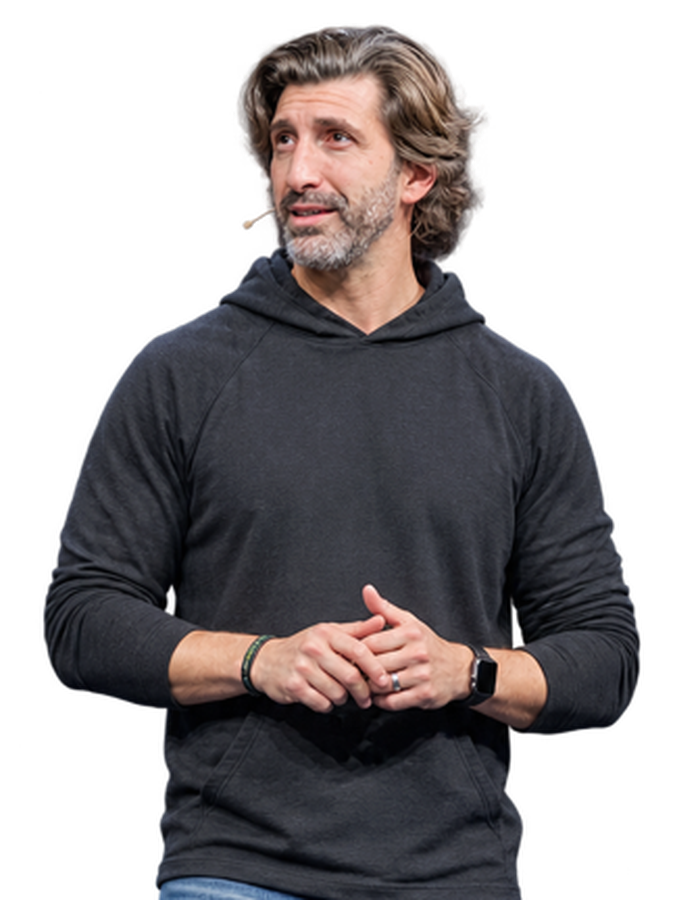
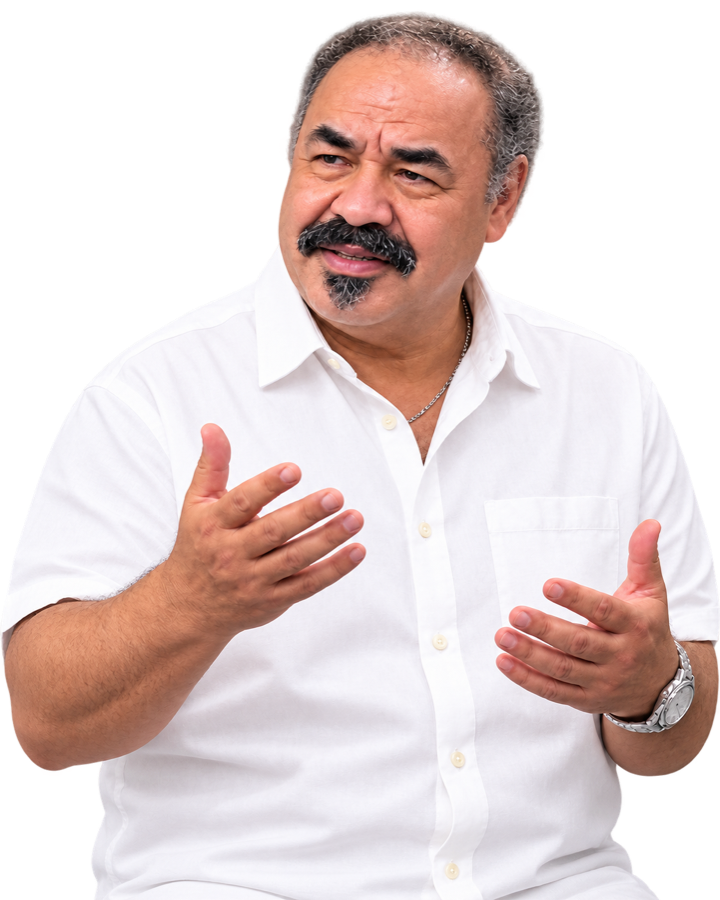
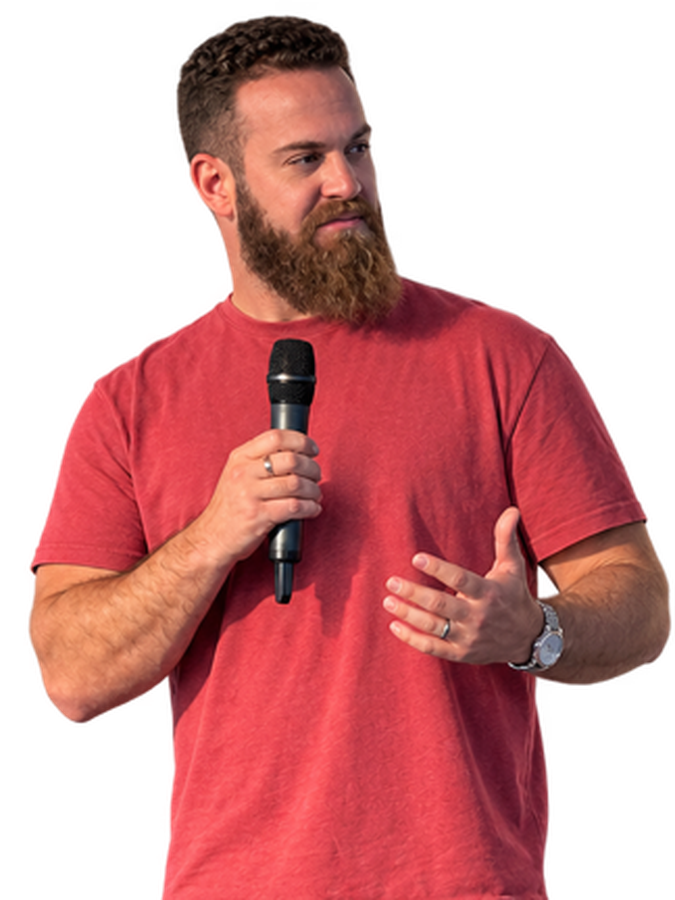
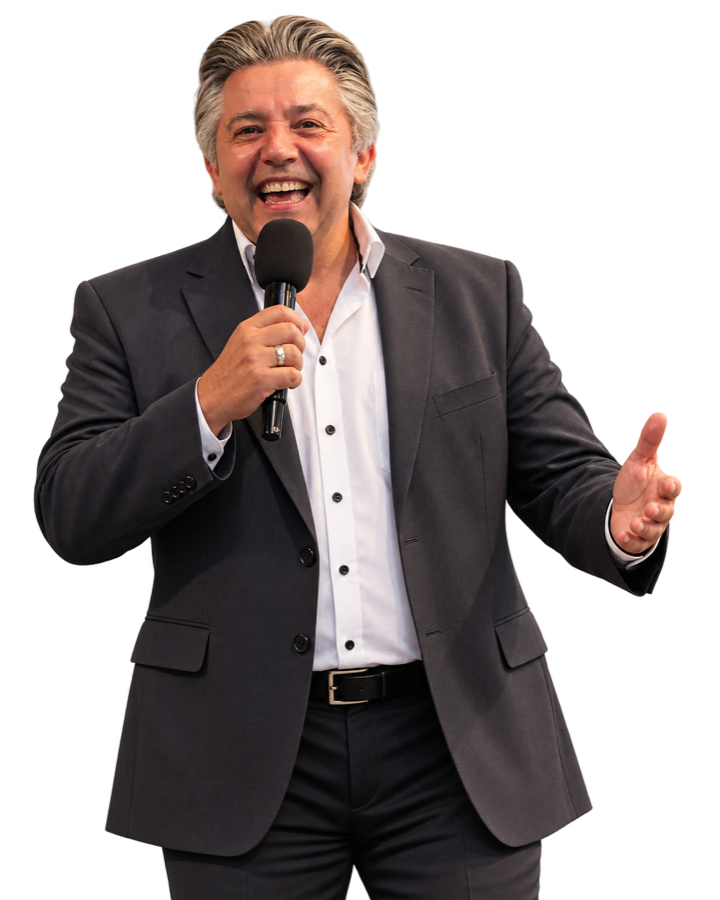
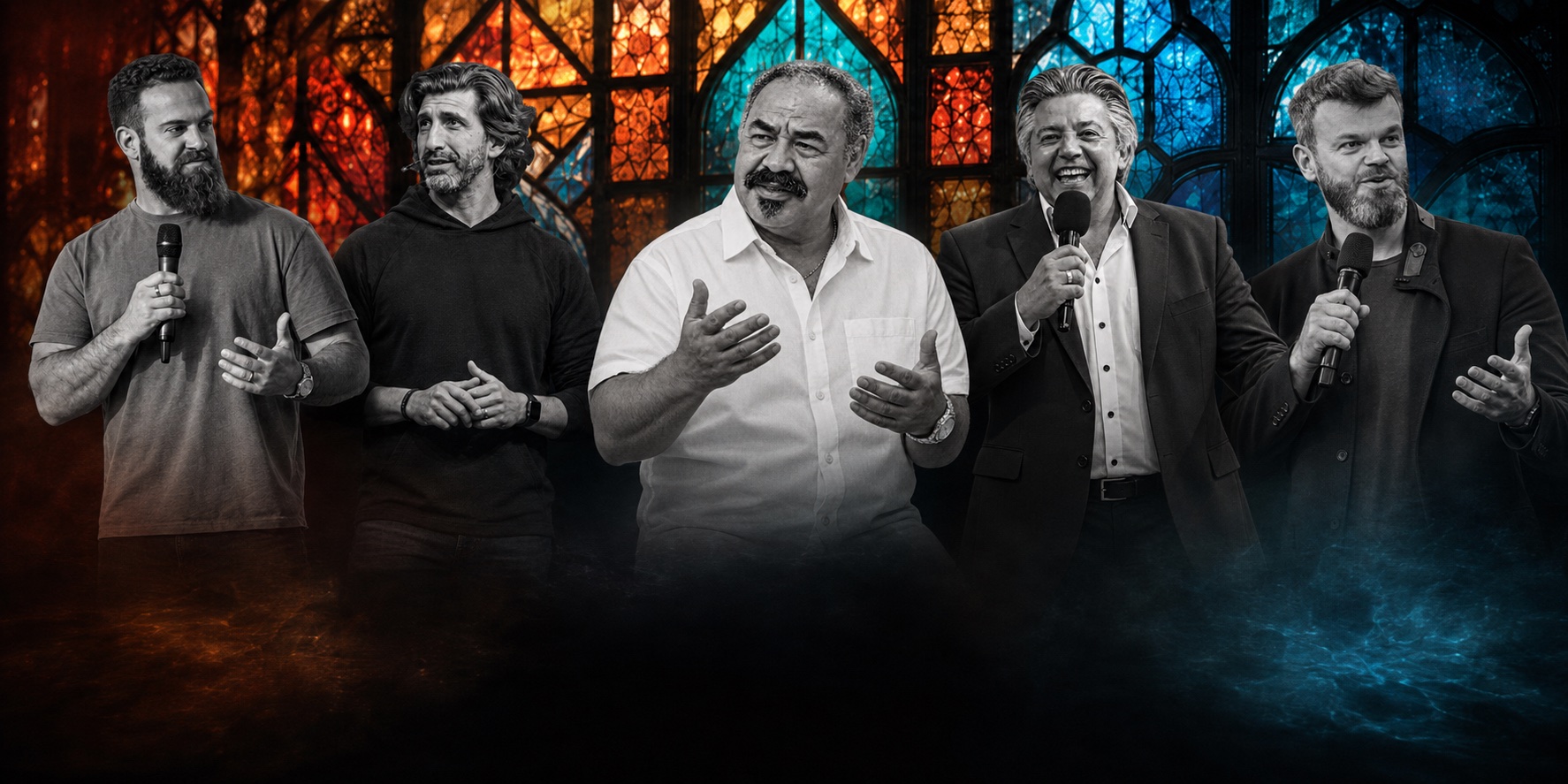
The five conference speakers in front of a colourful stained-glass window

EKKLESIA NOW

The Church of Jesus in times of upheaval

27–30 May 2027

Registration deadline: 31 March 2027

  • How firmly will we stand when the next crisis comes?
  • Will people find a firm hold with us when their world begins to shake?
Why EKKLESIA NOW

Why this conference – why now?

We are seeing certainties begin to shake. Not only in the world around us, but also within the Church of Jesus. People are disappointed and hurt, leaders fail, churches break apart and false teaching gains influence. At the same time, the longing is growing for real community, orientation and a place where people find a firm hold and can put down roots.

Right now we need healthy, strong churches rooted in Jesus Christ more than ever.

For the church is not a human invention. It is God’s idea and his main instrument for making himself known in this world. God builds us together as living stones into a spiritual house. We share a common mission – and at the same time each of us carries responsibility for our own discipleship and for the people around us.

We believe that God is preparing and equipping his church in this time. For this we do not need the next spiritual wave or perfect structures, but the simplicity and foundations of the gospel, deeper roots in his Word, spiritual maturity, committed community and the power of his Holy Spirit. And we need churches that can respond spontaneously to the needs of people looking for help, and meet them in friendship.

But how can this succeed when we are seeing so much failure at the same time?

We would be foolish not to look carefully at what is happening in Israel and in the worldwide church. What can we learn from it? What does God want to show us in this time? And where do we ourselves need to be willing to let our ideas, our character and our church life be changed?

EKKLESIA NOW is an invitation to listen together.

Together with brothers and sisters and spiritual leaders from different countries, we want to give room to God’s Word, ask honest questions, learn from one another, worship God together and discover how we can live church after the heart of Jesus today.

We do not only want to talk about what needs to change. We want to be willing to be changed ourselves.

Count me in Registration deadline: 31 March 2027
Content

Questions we will face

Gifts, fruit and character

Spiritual power, spiritual maturity and the Word of God belong together.

MoreClose

The Bible must be our guiding standard in everything. Against it we test teaching, experiences, impressions and ministries. Why is this especially important where the Holy Spirit is at work? And how can we anchor this in our churches and our surroundings so that it is not just a confession but is lived out?

Being grounded in the Word and walking in the Spirit are not opposites but a way of life. What does this way of life look like day to day? How can we boldly live out the gifts of the Holy Spirit without losing sight of spiritual fruit and character?

How do we learn to judge people and their ministries not first by extraordinary gifts or effects, but by their fruit, their character and their faithfulness to the Word of God? We want neither to reject the power of the Holy Spirit out of fear of wrong developments, nor to confuse spiritual giftedness with spiritual maturity. And we want to learn how to prevent the misuse of spiritual gifts.

Prophecy in the church

Testing, discerning and living prophetically.

MoreClose

How do we test prophetic words against the Bible? How do we recognise false teaching and unhealthy prophetic practices? How does prophetic ministry stay sincere and pure?

How can prophecy become a natural, responsible part of everyday church life – not only as an extraordinary event on a stage, but as a gift that strengthens, encourages and builds people up in daily life? And how do we grow in recognising God speaking in quite ordinary life?

Israel, the church and the signs of the times

Turning our eyes to God’s bigger picture.

MoreClose

What can we learn from what is happening in Israel and in the worldwide church? What significance does Israel have in God’s plan of salvation and for our understanding of the church? How can we recognise the signs of the times without getting lost in speculation?

We want to look carefully, especially at developments since 7 October 2023, and ask what spiritual challenges and learning processes are connected with them. In doing so, we want to broaden our own perspective and learn to test events in the light of Scripture.

Community and commitment

Living stones. One shared house.

MoreClose

What does New Testament community mean in our Western, individualistic society? How can we live as committed spiritual families without restricting people or taking them over? How do we develop trust, openness, mutual responsibility and the willingness to encourage and correct one another?

Commitment does not only protect against narrowness – it also challenges us. What does it mean in very practical terms to be committed? Keeping promises, being there when you are needed, and staying even when it becomes uncomfortable? For a group of people it is crucial that they can rely on each other. Community does not live on personal good feelings.

God builds us together as living stones into a spiritual house (1 Peter 2:5; Ephesians 2:19–22). This house has a shared expression and a shared mission. At the same time, each individual stone carries personal responsibility: we cannot simply hand our spiritual responsibility over to the community or its leaders. How can we bring both together without falling into individualism or unhealthy control?

Healthy leadership as God intended

Leading biblically. Serving people. Carrying responsibility.

MoreClose

How did God intend leadership in his church? What does the Bible tell us about spiritual leadership, eldership, servant authority, proven character and mutual responsibility? What role do shared responsibility, transparency, accountability and correctability play?

Jesus says: “Whoever wants to become great among you must be your servant, and whoever wants to be first must be slave of all.” (Mark 10:43–44) Those who lead do not stand above others but serve them. What does servant leadership look like in the everyday life of a church – in dealing with power, with decisions and with people who think differently?

And how do we create structures and a church culture in which abuse of power, spiritual manipulation and unhealthy dependencies are recognised early and effectively limited? A supposedly biblical leadership structure alone does not prevent abuse. It takes lived accountability, verifiable safeguards, spiritual maturity and responsible care for people.

We want to learn from the mistakes of the past – and above all rediscover what healthy, servant leadership after the example of Jesus looks like.

Biblical foundations: 1 Timothy 3 · Titus 1 · 1 Peter 5:2–3 · Mark 10:42–45

Discipleship that leads to maturity

Leading people to Jesus – not binding them to ourselves.

MoreClose

How do we accompany people, especially in their first years as Christians? This first season in particular needs great closeness and close mentoring. How do we create this closeness, and why is the beginning of following Jesus so formative?

What practical tools help us to root people in God’s Word, strengthen them in their relationship with Jesus and help them take responsibility for themselves? How can intensive personal mentoring succeed without creating unhealthy dependencies?

It is about discipleship that does not bind people permanently to particular leaders or mentors, but lets them grow into spiritually mature followers of Jesus.

More than talks

Together before God and on the way together

Worship together

Because he is worthy. And because we need him.

We want to come before God together, honour him, thank him for his faithfulness and grace and confess how much we depend on him. Worship is not an item between talks but an essential part of these days.

Prayer and ministry

Room for encouragement, strengthening and personal prayer.

Personal prayer times are planned, including prophetic prayer ministry and prayer for deliverance. A biblical framework, spiritual maturity, freedom of choice and respect for personal boundaries are especially important to us.

Honest questions and exchange

Listening. Asking questions. Learning from one another.

Not every challenge can be answered with a talk. That is why there will be room for Q&A sessions, discussions, workshops and personal encounters, as we look together for sound biblical answers.

From Germany, Israel, South Africa and the USA

Speakers

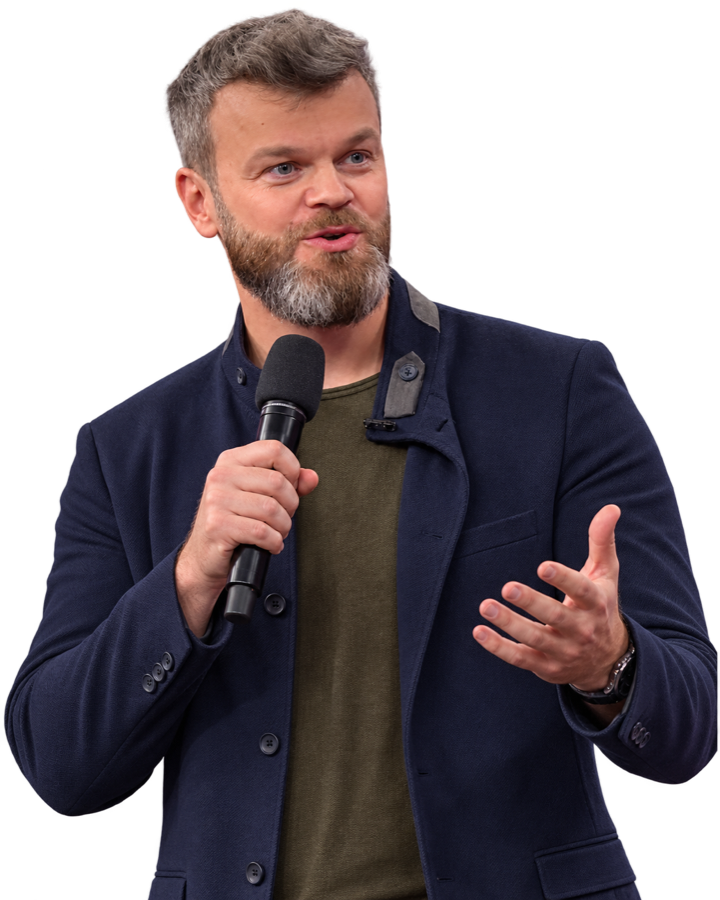
Michael Miller

Founder and elder of Reclamation Church in Denver, co-host of The Remnant Radio

Read moreClose

Michael is the founder and an elder of Reclamation Church in Denver, Colorado, and co-host of the podcast The Remnant Radio, which reaches hundreds of thousands of people every month with theological topics. He himself has had painful experiences with a world-famous church from the circles of the so-called “New Apostolic Reformation” (NAR), where he served as senior pastor. Today, alongside his local church, he serves in a travelling ministry on the biblical use of spiritual gifts in the church, helps many individuals and leaders who have experienced spiritual abuse, and trains people in deliverance ministry. We have known Michael, his wife Sarah and their children for many years and value them for their sensitive yet decisive stance on these important topics.

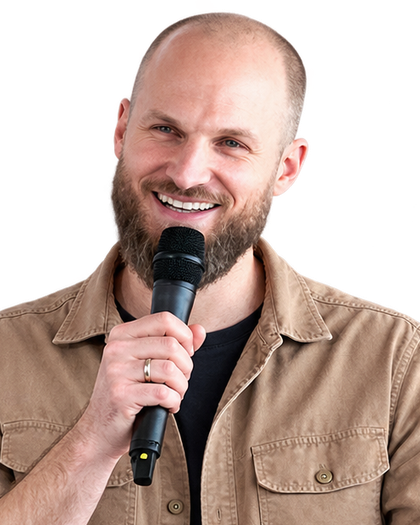
Marcel Rebiai

Leads the ministry Gesher in Jerusalem, author of several books

Read moreClose

Marcel was born in Algeria, where he spent his early childhood, grew up in Switzerland and lives in Jerusalem today. For many years he led, together with his wife Regula, the Missionsdienstgemeinschaft der Versöhnung (a missionary community of reconciliation), which was active in southern France, Switzerland, Israel and Lebanon, among other places. Today he leads the ministry Gesher (Hebrew for “bridge”), connecting Messianic leaders in Israel with Arab and Palestinian Christian leaders. Through close relationships he also shapes many young men who now carry responsibility themselves. Marcel has always carried a concern for lived community within the local church and is the author of several books, including children’s books. His heart beats for the ekklesia: “It is no secret that from the very beginning the ekklesia was in danger of being suffocated by necessary orders, forms and definitions that were actually meant to provide protection and clarity. As necessary as these are – the ekklesia is a reality of relationships.”

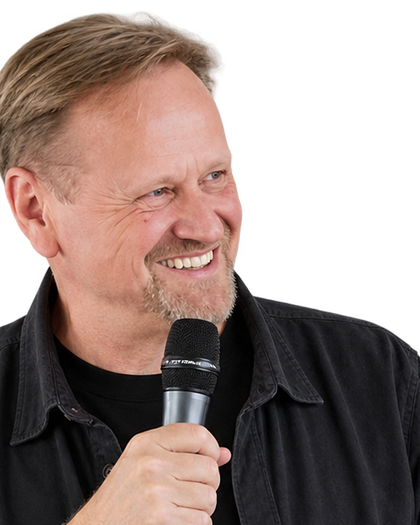
Immanuel Rebiai

Grew up in Israel, engaged in reconciliation work between Arabs and Jews

Read moreClose

We share a close friendship with Immanuel. He grew up in Israel within a missionary community. He has been able to serve many people, including children – in Israel, Lebanon, Switzerland and France. He carries a big heart for people who are searching and invests himself in reconciliation work between Arabs and Jews. He speaks German, Hebrew and Arabic. Many times he has seen friends from very different cultures come to know Jesus. Immanuel is married and has four children.

Francois Botes

Prophetic ministry, part of a local church in South Africa

Read moreClose

We share a long-standing friendship and a common concern with Francois: to live out the gifts of the Spirit – especially prophecy – within a healthy, biblical framework in the local church. He is part of a local church in South Africa himself and advises several churches around the world in prophetic ministry, especially in Germany. At the same time, he warns clearly against the influence of so-called hyper-charismatic teaching that leaves its biblical foundation.

Marcus Ahrend

Elder of the Friends of Jesus church

Read moreClose

Marcus serves as an elder in the Friends of Jesus church, where he has been involved since he was twelve – almost since the church was born. Alongside his pastoral responsibilities in the local church, he is regularly able to advise several ministries and leaders, especially in times of crisis – including people who have been harmed by abusive church and ministry structures. It helps him that he himself accompanied and experienced the challenging process of Friends of Jesus moving from a non-denominational ministry to a local church, including the changes in leadership structures that came with it. Besides preaching, teaching and personal mentoring, he is at heart a musical worshipper, and in 2014 he helped to build the street project “Israel, We Stand With You”, which he still co-leads today.

Going deeper in practice

Workshops

More workshops will be added.

Zion ecclesiology

Understanding Israel – the church in the light of God’s plan of salvation

Raphael Brückner

For a strong church it is important to understand its role in God’s plan of salvation. This includes the election of Israel: God chose this people to reveal himself to humanity in a special way. That is why Israel is not an additional project for us, but part of our understanding of God, the church and our own identity.

Raphael will set these connections in their theological context and at the same time show very practically what they have to do with our everyday church life – for example in how we approach the biblical feasts and liturgical elements.

Raphael has been part of Friends of Jesus since its beginnings around 30 years ago and today is part of the church leadership and active as a teacher.

Early discipleship and life mentoring

Gunnar & Corinna Ahrend

Jesus has given us a clear commission: “Therefore go and make disciples of all nations” (Matthew 28:19). Disciples – not simply members. But how do we walk with people on this path?

The first two to three years after conversion or a spiritual new beginning are especially formative. In this time people often need more than good teaching: personal mentoring, trust, orientation and someone who walks with them in a committed way.

Gunnar and Corinna Ahrend, the founders of Friends of Jesus, share from more than 30 years of experience in discipleship and pastoral care. They show what intensive early mentoring can look like in practice: working through the past, learning trust and commitment, reshaping relationships, living everyday life with Jesus and putting specific areas of life in order. In doing so they do not hide the cost of following Jesus.

They pass on core biblical messages such as the key of forgiveness and the power of humility, along with practical tools that have proven themselves over many years.

The goal is spiritual maturity, not lasting dependence. That is why this intensive season of mentoring also has a deliberate end. Discipleship and spiritual growth go on – but people should increasingly take responsibility for their own life with Jesus and in turn be able to walk with others.

Local church and ministry in harmony

Johannes Barthel · Friends of Jesus and Ebenezer Operation Exodus

How can a local church and a trans-denominational Christian ministry work together without restricting each other? How can people be firmly rooted in a church, bring their gifts there and at the same time serve in an independent ministry beyond the church?

Christian ministries often bring together people with the same passion and calling. But when this circle becomes their only spiritual home, the diversity that makes a healthy local church can be missing. Differing expectations, one-sided influences and a lack of roots can lead to disappointment and hurt.

How can a local church instead be a spiritual home and a starting point – a place from which people set out, to which they return and where they find fellowship and strength? How can this work without the church fearing it will lose its best people, or the ministry feeling controlled and patronised?

Johannes is part of the leadership of Friends of Jesus and at the same time leader for Europe and Israel at Ebenezer Operation Exodus. Drawing on his own experience, he shows how independent ministries and local churches can be connected in mutual appreciation, trust and friendship, and strengthen one another.

Working together across generations

Armin Knothe

Armin is a pioneer in Germany when it comes to youth work and mission among children. Over the years he has seen thousands of children and children’s workers touched and lastingly shaped by God at numerous children’s camps and outreaches at home and abroad – not only through his teaching and loving way of leading, but also through his many children’s songs setting Bible verses to music. Especially in this season, he carries on his heart that as a church we must live out cooperation and passing things on across generations. That is why he cares about the individual while always keeping the whole story across generations in view.

Who it is for

Is this for me?

Leaders and those with responsibility

People who carry responsibility in churches or ministries, who care about the church and who long for exchange, encouragement and new strength.

Read moreClose

For leaders and those with responsibility who sense God challenging them to rethink or change things in their areas – such as leadership structures, a healthy approach to spiritual gifts, committed relationships, community and communication, or the question of how we respect the dignity and freedom of the individual without liberalism and individualism increasingly shaping the nature of our churches.

For people who long to think of church more strongly from Jesus Christ, the crucified one – rather than seeing it merely as a community of convenience or a place of personal well-being – and who are looking for fresh impulses, refreshment and honest exchange with other leaders along the way.

People who are disappointed, and those who walk alongside them

People who basically believe church is biblical and long for real community, but carry questions, disappointments or hurts – and people who accompany others through such times.

Read moreClose

Perhaps you have not felt seen, taken seriously or understood in church. Perhaps boundaries were crossed, trust was broken, or you even experienced spiritual or emotional abuse. For some, these experiences run so deep that just the thought of certain people or situations triggers physical reactions, and taking a step into a church seems almost impossible. Perhaps this has also raised questions about God.

You do not have to prove anything here or skip any steps. We want to make room for your questions, for honest exchange and new perspectives – without pressure and without quick answers.

Or perhaps you walk alongside people in such situations yourself. You love the church without romanticising it, and you long for more maturity and spiritual insight when doubt, conflict, bitterness or hardened hearts weigh on community. You do not want to simply offer human solutions, but to learn to see situations more from Jesus and from God’s perspective.

People who look at the bigger picture

You long for a firm hold to get safely through these times, and for refreshment. You want to understand how God sees this time and how he judges world events – and what that means for his church.

Read moreClose

You long for power and impact in the church, for deliverance and for the gifts of the Spirit – without leaving the foundation of the Word and order in the church. And you want the church to be a safe place for people: a place to which you can confidently invite people who do not yet know Jesus, and where it is not about one age group but about the generations together.

At the same time you ask yourself what church is today, which structures are right, how God sees our role in this time and what Israel has to do with all of this.

You notice that many people are searching right now – non-Christians, but especially Christians too. Some are looking for more power or for a way out of their dissatisfaction, even though they are part of a church. Others are disappointed with traditional church, turn their backs on it and organise themselves in networks or small house groups. You wonder which path is right in all this and how stable, lasting places can grow according to the biblical pattern. And it moves you how church is often talked about today.

Practical information

Everything at a glance

Date
Thursday 27 to Sunday 30 May 2027
Programme
The detailed programme will be published soon.
Venue
Quelle des Lebens, Ober dem Beilstein 19, 57614 Wahlrod, Germany
Accommodation
Participants organise their own accommodation. A list of recommendations will follow.
Food
Simple lunches and dinners are available on site at low cost.
Registration
Registration required. Registration deadline: 31 March 2027.
Cost
There is no participation fee. To cover the costs, we will take up an offering during the conference.
Organisers
Friends of Jesus and Quelle des Lebens

EKKLESIA NOW takes place on the premises of the church Quelle des Lebens in Wahlrod. We have shared a friendship with them for many years – they are carrying the conference together with us.

Frequently asked questions

FAQ

Who is the conference for?

For everyone who longs for a firm hold to get safely through these times. And for everyone who longs for refreshment and wants to find out how God sees this time and how he judges world events.

Do I have to be a leader or church worker?

No. EKKLESIA NOW is not only for leaders, but for all three perspectives described above.

Can I take part if I do not currently belong to a church?

Yes. Especially if you do not have a church at the moment or find it hard to set foot in one again, you are welcome.

Where does the conference take place?

The conference takes place at the church Quelle des Lebens: Ober dem Beilstein 19, 57614 Wahlrod, Germany.

How do I arrange accommodation?

You arrange your accommodation yourself. We will provide a list of recommendations in the area in good time.

What does it cost?

There is no participation fee. To cover the costs, we will take up an offering during the conference.

Is food provided?

Yes. You can buy simple lunches and dinners on site at low cost.

What is the registration deadline?

The registration deadline is 31 March 2027.

We believe in the church.

Not in a perfect church.
Not in strong personalities.
Not in structures for their own sake.

But in Jesus Christ, who builds his church.

In four days we will not answer every question or solve every problem. But together we can listen to God afresh, let ourselves be changed, be strengthened in faith and take steps that shape our personal lives and our churches.

We do not only want to be churches that stand firm in times of upheaval, but places where people meet Jesus, find refuge and draw new hope.

For the Church of Jesus has not failed just because people in it have failed.

She is his bride, who will go out to meet her bridegroom.

EKKLESIA NOW

27–30 May 2027 · Quelle des Lebens, Wahlrod

Registration deadline: 31 March 2027

Register now